

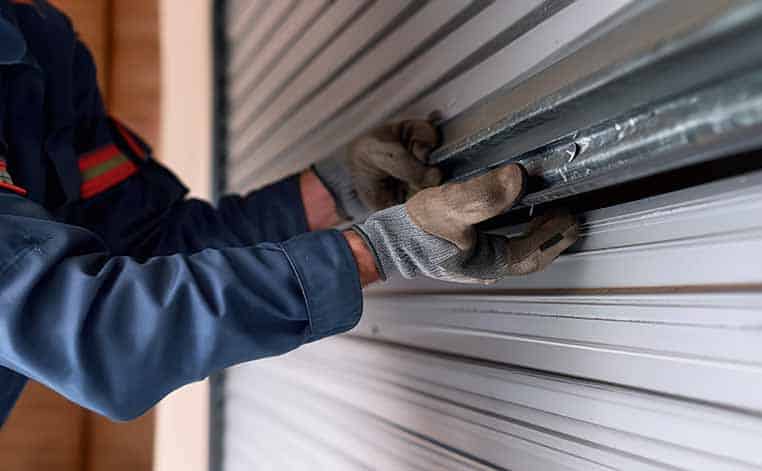
Choices for garage door installation determine how the system distributes weight, manages friction, and stays aligned as materials settle and parts wear. A door can appear perfect during final testing while still harboring subtle stress points that reduce the service life of rollers, hinges, and opener components. The cumulative effect of those choices becomes evident over time: noise, vibration, uneven movement, and a higher frequency of garage door repairs.
Long-term performance depends on system balance and structural stability, so installation choices should be evaluated as engineering decisions rather than cosmetic preferences. A residential garage door experiences daily cycles, temperature swings, and vibration, and every one of those conditions rewards precision and punishes shortcuts. When installation supports routine garage door maintenance, small issues stay small, whereas poor installation tends to escalate them into emergency garage door service.
Door Selection Choices That Influence Mechanical Stress
The door itself imposes mechanical demand because its weight, stiffness, and construction determine the force the system must manage. Door selection is often framed around appearance, yet the internal structure determines performance.
A heavier door can still be reliable if the system is designed and installed to match its load. A lighter door can still cause problems if installation choices introduce misalignment and friction.
Get to know the important details homeowners often overlook during garage door installation and how those choices affect long-term results by reading: What Homeowners Often Miss During Garage Door Installation.
Insulation, windows, and the hidden cost of added mass
Insulation and windows improve comfort and aesthetics, yet they add weight and alter load distribution. Installation-related effects must be accounted for through proper spring selection, hardware strength, and track rigidity.
Mass-related considerations include:
- Springs must match the measured door weight and not the estimated weight
- Hinges and rollers should suit the cycle demand and load rating
- Track gauge and bracket strength should resist flex under heavier loads
- Opener power should support movement without relying on excessive force settings
When these choices align, performance remains smooth and predictable. When they conflict, the system wears faster and becomes more dependent on garage door repair. Added mass is not the problem in itself; mismatched design decisions are the real long-term cost drivers.
Understand how installation mistakes can quietly lead to expensive repairs and ongoing performance issues by reading: When Garage Door Installation Errors Lead to Costly Repairs.
Panel stiffness and how flex affects alignment over time
Doors with weak panel stiffness can flex under load, especially on wider openings. Flex changes how rollers sit in tracks and how the door seals at the bottom.
Performance improves when:
- Reinforcement is appropriate for the door width and wind exposure
- Tracks and mounting points resist lateral movement during cycling
- Hinges are aligned and fastened to the support panel geometry
- Balance is tuned so the door does not sag during travel
A stiffer door maintains better geometry, which reduces alignment drift. A flexible door may require more frequent garage door maintenance because adjustments cannot hold as reliably. The interaction between door stiffness and installation quality becomes clearer as the number of cycles increases.
Learn why garage door size and weight play a critical role in safe operation and proper balance during installation by reading: Why Garage Door Size and Weight Matter During Installation.
Track Geometry Choices That Shape Wear Patterns
Track geometry determines how smoothly the door transitions from vertical to horizontal travel. Small geometric errors often cause friction in curved sections where rollers change direction.
Those wear patterns can remain invisible early while steadily damaging rollers and track surfaces.
Vertical track placement and the importance of plumb alignment
Vertical tracks must be plumb to guide the door straight upward. If a track leans slightly, the door experiences side loading that increases friction and wear.
Common consequences of poor vertical alignment include:
- Rollers are wearing unevenly on one side
- Door edges rubbing the jamb during travel
- Increased vibration during opening and closing
- A gradual drift that makes future adjustments less stable
Plumb alignment supports even roller contact and predictable travel. When alignment is off, garage door repair becomes more frequent because wear accelerates. Good vertical alignment is one of the most important installation choices for long-term smoothness.
Horizontal track support and load distribution when open
When the door is open, its weight is supported by horizontal tracks and their hangers. Weak support can allow sagging, which alters roller alignment and increases stress at the track curves.
Support improves when installers:
- Use adequate hanger spacing based on door weight
- Anchor into structural framing rather than non-structural surfaces
- Maintain a level horizontal track pitch appropriate for the system
- Reinforce joints where track sections connect
Strong support reduces deformation and preserves alignment. Weak support causes slow misalignment that often leads to emergency garage door service after a roller fails or a track bends. Support decisions shape how the system behaves during every open cycle.
Spring and Balance Choices That Dictate Opener Lifespan
Springs do the heavy work, while the opener manages controlled motion. When springs are wrong or tensioning is uneven, the opener becomes the compensator, and the opener’s lifespan drops.
Balance should be verified through manual testing, not inferred from opener performance.
Balance testing that predicts future maintenance needs
Manual balance testing reveals whether the system can hold position without drifting. Drift indicates an imbalance that increases wear and strain.
Effective balance testing includes:
- Checking the door at knee height, mid height, and near-open position
- Observing whether the door rises or falls when released carefully
- Listening for binding that suggests track alignment problems
- Confirming even lift on both sides during travel
When the balance is correct, routine garage door maintenance is simpler and less frequent. When the balance is off, each cycle adds strain, leading to more frequent garage door repair. Balance is the most direct indicator of whether installation choices support long-term performance.

Opener settings that should remain moderate and consistent
Smart garage door openers perform best when force settings remain within the normal range, because excessive force often masks mechanical resistance. If force is required to move the door, the system requires a mechanical correction.
Healthy opener integration includes:
- Setting travel limits that avoid over-compression at the floor and header
- Verifying sensor reliability without frequent realignment
- Confirming auto-reverse sensitivity with realistic obstruction tests
- Ensuring the door moves smoothly without surging or hesitation
Moderate settings support safety and longevity. Overpowered settings increase risk and often lead to future emergency garage door service calls when something finally fails. Installation choices that protect the opener also protect the entire system.
Maintenance-Focused Choices That Extend Service Intervals
Maintenance is easier when installation places components in locations that can be safely inspected and adjusted. Many long-term issues escalate because maintenance becomes inconvenient, not because the components are inherently fragile.
A service-friendly installation reduces the cost and frequency of garage door repairs by keeping minor issues manageable.
Hardware choices that resist vibration loosening
Vibration loosens fasteners and shifts brackets over time, especially in high-cycle homes. Hardware choices influence whether alignment stays stable.
Durable hardware decisions often include:
- Using appropriate fasteners for the framing material
- Selecting brackets with adequate thickness and stiffness
- Ensuring hinge fasteners remain secure without stripping
- Avoiding inconsistent fastener lengths that create uneven clamping force
When hardware stays tight, alignment holds longer, and maintenance becomes predictable. When hardware loosens, track drift follows, and repair needs increase. Hardware quality shapes long-term performance more than many homeowners expect.
Lubrication planning that supports consistent movement
Lubrication is part of routine garage door maintenance, but installation choices affect how effectively it works. If components are misaligned, lubrication cannot correct the friction caused by geometry.
Maintenance-friendly design includes:
- Ensuring rollers rotate freely without binding
- Keeping hinge points aligned so motion remains smooth
- Verifying track surfaces remain straight and undamaged
- Avoiding contamination sources that carry debris into moving parts
When movement is smooth and aligned, lubrication reduces wear and noise. When alignment is flawed, lubrication becomes a temporary mask that fails quickly. Installation quality determines whether maintenance actions produce lasting benefit.
Expert Garage Door Installation
Long-term performance is largely determined during garage door installation, as alignment, balance, and structural support determine how the system handles repeated cycles. Door selection, track geometry, spring balance accuracy, and maintenance readiness interact to determine whether the door remains quiet and stable or gradually shifts toward frequent repairs. When installation choices support even load distribution and consistent travel, routine garage door maintenance becomes straightforward and predictable.
A residential garage door that performs well over the years is usually not the result of luck; durable performance comes from decisions that reduce friction and protect the structural geometry. When those decisions are overlooked, strain accumulates until garage door repair becomes regular, and occasional failures become emergency garage door service events. Installation choices either build long-term stability or create long-term noise, wear, and disruption.
Elite Overhead Garage Doors provides dependable garage door services tailored to the needs of homes and businesses in Greenville. Installation, repair, and maintenance services focus on safety, functionality, and lasting value. Experienced, licensed technicians deliver efficient solutions for urgent repairs and planned upgrades. High-quality products support reliable, long-term results.
Contact us today or give us a call to schedule professional garage door service in Greenville.