

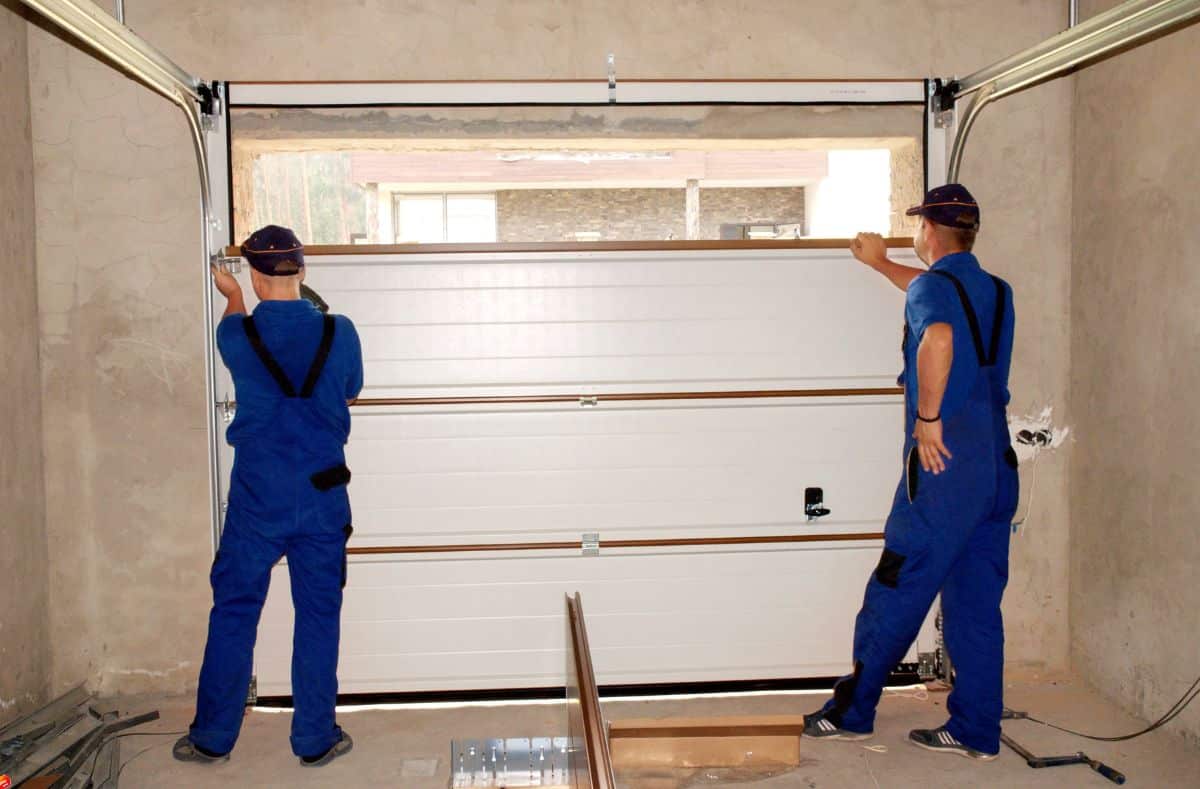
Garage door maintenance plays a critical role in determining how long your garage door will last without experiencing severe mechanical failure or costly replacement. Many homeowners assume a garage door will continue to operate reliably as long as it opens and closes, even if performance gradually declines. In reality, garage doors are complex mechanical systems that depend on balance, lubrication, and precise alignment to function safely over time. Without a professional tune-up, wear accumulates quietly across springs, rollers, cables, and tracks, shortening the system’s usable lifespan.
The question of longevity is not just about years but also about performance quality, safety, and reliability over those years. Routine garage door maintenance extends operational life by addressing small inefficiencies before they accelerate wear. Without regular garage door inspections and tune-ups, components degrade unevenly, placing excess strain on the entire system. Preventive garage door maintenance ensures that the door ages predictably rather than deteriorating prematurely.
How Garage Doors Naturally Wear Over Time
Garage doors are designed to withstand thousands of opening and closing cycles, but each cycle contributes incremental wear to the system. Springs slowly lose tension, rollers flatten or crack, and hardware loosens through vibration and daily use. Lubrication breaks down due to temperature changes and environmental exposure, increasing friction between moving parts. A garage door inspection reveals these gradual changes well before they lead to failure. Without routine garage door maintenance, these small changes compound steadily.
As wear accumulates, the system compensates by redistributing stress across remaining components. When one part becomes less efficient, others must work harder to maintain operation. This compensation accelerates wear across the entire system rather than isolating it to one area. Preventive garage door maintenance interrupts this cycle by restoring balance and efficiency. Without professional intervention, the door’s lifespan shortens as stress spreads unchecked.
See how skipping routine garage door tune-ups can reduce performance and lead to avoidable issues over time by reading: How Skipping Garage Door Tune-Ups Affects Performance.
Why is the wear uneven without a Professional Adjustment
Wear is rarely uniform across a garage door system because components experience different loads and movement patterns. Springs may fatigue faster on one side, while tracks drift slightly out of alignment over time. Without a garage door tune-up, these imbalances persist and worsen. Routine garage door maintenance corrects uneven wear before it becomes structural. Without correction, lifespan decreases unpredictably.
Spot the early warning signs that indicate your garage door needs professional attention before problems worsen by reading: Early Warning Signs Your Garage Door Needs Attention.
The Impact of Skipping a Professional Garage Door Tune-Up
Skipping a professional garage door tune-up often leads to premature component failure, even if the door still appears functional. Tune-ups are designed to recalibrate balance, alignment, and tension across the system. Without these adjustments, parts operate outside their optimal range. Over time, this misuse reduces durability and reliability. Preventive garage door maintenance restores the door’s intended operating condition.
A garage door tune-up also identifies components nearing the end of their service life. Springs, for example, have defined cycle limits that shorten when tension is uneven. Without inspection, homeowners often discover spring failure only after it occurs. Routine garage door maintenance replaces predictability with surprise when skipped. Professional tune-ups extend lifespan by addressing issues before failure.
Learn why regular garage door tune-ups play an important role in maintaining smooth, reliable operation for the long term by reading: Why Regular Tune-Ups Matter for Long-Term Operation Success.
How Tune-Ups Slow Down System Aging
Tune-ups slow system aging by reducing friction, restoring balance, and preventing excessive strain. Garage door lubrication services minimize metal-on-metal contact that accelerates wear. Adjustments ensure that weight is distributed evenly across springs and cables. These measures preserve component integrity. Without them, aging accelerates noticeably.
Average Lifespan With and Without Maintenance
A garage door that receives regular professional maintenance can often last decades with consistent performance. By contrast, doors that never undergo a professional garage door inspection typically experience major failures much earlier. Springs may break years ahead of schedule, and openers may fail due to excessive strain. Routine garage door maintenance extends usable life rather than merely delaying replacement. Longevity depends on care, not just manufacturing quality.
Without preventive garage door maintenance, homeowners often mistake survival for longevity, as a door may continue functioning while becoming noisier, slower, and less safe; this decline signals approaching failure rather than durability. Professional tune-ups not only maintain performance but also extend lifespan, while skipping them quietly shortens both.
Learn more about routine garage door maintenance steps that help prevent malfunctions and safety hazards by visiting StaySafe.org.
Why “Still Working” Does Not Mean “Still Healthy”
A garage door can still open and close while operating under dangerous or damaging conditions. Increased resistance may not be obvious until a component fails. A garage door inspection distinguishes functional from healthy operation. Preventive garage door maintenance preserves health, not just movement. Longevity requires more than basic functionality.
The Role of Routine Garage Door Maintenance in Longevity
Routine garage door maintenance is the single most effective factor in extending system lifespan. Regular service ensures that components remain aligned, lubricated, and balanced under load. This consistency prevents stress from concentrating in vulnerable areas. A garage door tune-up restores performance to the manufacturer’s specifications. Longevity becomes predictable rather than uncertain.
Maintenance also allows homeowners to plan replacements strategically rather than reactively, enabling springs and rollers to be replaced before damage to other components occurs. Routine garage door maintenance shifts ownership to management rather than crisis response, extending usable life and reducing long-term costs through consistent care.
Learn more about the essential components, design, and safety considerations of garage doors on Wikipedia.
How Maintenance Preserves Structural Integrity
Structural integrity depends on even load distribution and smooth movement across components. Misalignment causes twisting forces that damage panels, tracks, and hardware. Preventive garage door maintenance corrects alignment before distortion occurs. Structural damage often signals advanced wear. Maintenance prevents reaching that stage.
Why Garage Door Inspections Matter More Than Homeowners Expect
Many critical garage door components operate under tension or are located in concealed areas, making casual inspection ineffective. A professional garage door inspection comprehensively evaluates spring condition, cable integrity, roller wear, and opener strain. These evaluations reveal lifespan threats that are otherwise invisible. Routine garage door maintenance relies on inspection data to guide action. Knowledge replaces assumption.
Without inspections, homeowners often misinterpret warning signs or ignore them entirely. Noise, hesitation, or vibration may seem minor but usually indicate advanced wear. A garage door inspection clarifies severity and urgency. Preventive garage door maintenance is proactive rather than reactive. Inspections protect longevity through awareness.
How Inspections Prevent Premature Replacement
Inspections prevent premature replacement by distinguishing between repairable wear and end-of-life components. Minor adjustments can restore years of service when applied early. Without inspection, homeowners may replace entire systems unnecessarily. Preventive garage door maintenance optimizes resource use. Longevity is preserved intelligently.
Garage Door Lubrication Services and Wear Reduction
Garage door lubrication services play a foundational role in extending the lifespan by reducing friction throughout the system. Friction accelerates wear by increasing heat, vibration, and surface damage. Proper lubrication allows components to move smoothly under load. Routine garage door maintenance includes lubrication as a core element. Wear slows significantly with proper lubrication.
Without lubrication, components degrade faster and transfer stress to other components. Dry rollers damage tracks, while stiff hinges strain springs. These chain reactions shorten lifespan dramatically. Preventive garage door maintenance breaks these cycles early. Lubrication protects the entire system.
Why Lubrication Alone Is Not Enough
Lubrication alone cannot correct misalignment or tension imbalance, but it supports other maintenance efforts. A garage door tune-up combines lubrication and adjustment to maximize performance. Without adjustment, lubrication masks symptoms temporarily. Comprehensive preventive garage door maintenance delivers lasting longevity. Balance and lubrication work together.
Safety Checks and Their Connection to Longevity
A garage door safety check protects both people and equipment by ensuring safety systems function correctly. Auto-reverse mechanisms, sensors, and emergency releases must respond accurately. When safety systems malfunction, doors may stop unexpectedly or reverse under strain. These behaviors increase wear and risk. Preventive garage door maintenance includes safety checks to stabilize operation.
Safety issues often create intermittent resistance, accelerating component fatigue. A door that reverses repeatedly strains the opener and springs. A garage door inspection identifies safety-related resistance early. Routine garage door maintenance restores smooth, predictable movement. Longevity improves when safety systems operate correctly.
Why Safety Failures Often Shorten System Life
Safety failures often indicate a more profound mechanical imbalance rather than isolated sensor issues. Repeated reversals increase stress on moving parts. Preventive garage door maintenance resolves root causes rather than symptoms. Longevity depends on resolving underlying issues. Safety and lifespan are closely linked.
Using a Garage Door Maintenance Checklist to Extend Life
A garage door maintenance checklist ensures consistency by covering all critical components during service. Springs, cables, rollers, tracks, hardware, sensors, and openers each require periodic attention. Routine garage door maintenance becomes more effective when structured. Checklists reduce oversight and variability. Consistency supports longevity.
Using a checklist also allows homeowners to track changes over time. Documented maintenance history reveals wear patterns and service intervals. Preventive garage door maintenance becomes data-driven rather than reactive. Longevity benefits from informed planning. Structure supports predictability.
Why Consistency Matters More Than Occasional Service
Occasional service without consistency allows wear to progress between visits. A garage door maintenance checklist ensures every service addresses the same critical areas. Preventive garage door maintenance becomes reliable rather than sporadic. Longevity depends on sustained attention. Consistency protects investment.
How Long Will Your Garage Door Last Without Professional Care?
Without professional tune-ups, many garage doors experience significant failures well before their designed lifespan. Springs may fail years early, and openers may burn out due to chronic strain. Panels may warp from uneven loading. Routine garage door maintenance significantly delays these outcomes. Without it, lifespan shortens unpredictably.
Some doors may appear to last longer without maintenance, but often at the cost of safety, noise, and reliability. This degraded operation signals approaching failure rather than durability. A garage door inspection reveals whether apparent longevity is misleading. Preventive garage door maintenance preserves both function and lifespan. Skipping care gambles with time.
Why Neglect Creates Uncertainty
Neglect introduces uncertainty because wear progresses invisibly until failure occurs. Without inspections or tune-ups, homeowners lack information about system condition. Preventive garage door maintenance replaces uncertainty with predictability. Longevity becomes manageable rather than accidental. Knowledge protects lifespan.
The Cost of Waiting Versus the Value of Prevention
Waiting for failure often results in higher costs due to emergency service, secondary damage, and component replacement. Preventive garage door maintenance spreads costs predictably over time. Routine garage door maintenance avoids compounding failures. Financial efficiency aligns with longevity.
Emergency repairs often involve replacing multiple components damaged by a single failure. A broken spring may damage the opener or door panels. Preventive garage door maintenance avoids these cascading costs. Longevity improves alongside affordability. Prevention is financially practical.
Why Preventive Costs Feel Smaller Over Time
Preventive costs feel smaller because homeowners plan them in advance and spread them out over time instead of facing sudden expenses. Emergency costs feel larger because they arrive without warning and often require immediate action to restore safety or access. Preventive garage door maintenance normalizes routine care as a standard part of home ownership rather than a reaction to failure. This approach allows households to manage expectations and avoid the disruption that comes with unexpected breakdowns.
When maintenance stays consistent, the need for urgent garage door repair becomes far less frequent. Predictability lowers stress because homeowners know their system receives regular attention instead of operating until something breaks. Over time, the garage door lasts longer and performs more reliably without dramatic intervention. Longevity improves quietly, supporting daily routines without drawing attention to itself.
Expert Garage Door Maintenance Service
Garage door maintenance directly affects how long a garage door lasts before major failure or premature replacement. Without a professional tune-up, wear accumulates unevenly, stress spreads across components, and lifespan shortens unpredictably. Routine garage door maintenance, supported by garage door inspections, lubrication services, safety checks, and structured checklists, preserves balance and reliability over time. Preventive garage door maintenance transforms longevity from chance into control. Choosing professional care extends not only how long your garage door lasts, but also how well it performs throughout its life.
Elite Overhead Garage Doors provides professional garage door installation, repair, and maintenance services for homes and businesses in Greenville. Every service is focused on improving security, functionality, and long-term performance. Licensed and insured technicians deliver reliable solutions for new installations, urgent repairs, and routine maintenance. Work is completed using trusted brands to ensure consistent quality and dependable results.
Contact us today or give us a call for expert garage door services in Greenville.
Frequently Asked Questions
How long can a garage door last without a professional tune-up?
A garage door may continue working for years without a tune-up, but its lifespan is usually much shorter. We often see unmanaged wear slowly reduce reliability and safety over time. Without professional care, components tend to fail earlier than expected.
Why does skipping tune-ups shorten a garage door’s lifespan?
Tune-ups address friction, imbalance, and loose hardware that quietly strain the system. When these issues are ignored, parts wear unevenly and faster than designed. Over time, this accelerates failure across multiple components.
Which garage door parts wear out fastest without professional maintenance?
Springs, rollers, and cables typically show the earliest signs of wear without tune-ups. We find these components absorb most of the stress during daily operation. Without adjustment and lubrication, they reach failure much sooner.
How does a lack of tune-ups affect garage door springs specifically?
Springs rely on proper tension and balance to safely support the door. Without professional checks, spring fatigue often goes unnoticed until sudden failure occurs. This dramatically shortens spring life and increases safety risks.
Can a garage door still seem fine even if damage is developing?
Yes, many garage doors appear to operate normally while internal wear is building. We often see homeowners surprised by sudden breakdowns because warning signs were subtle. Professional tune-ups reveal issues before they become apparent.
How does skipping tune-ups impact the garage door opener?
A poorly maintained door forces the opener to work harder than intended. Over time, this extra strain can damage the motor or internal gears. Regular tune-ups help protect opener longevity and performance.
Does climate affect how long a garage door lasts without maintenance?
Temperature changes and humidity accelerate wear on metal components and hardware. We find that doors without tune-ups struggle more during seasonal shifts. Professional adjustments help the system adapt and last longer.
How much sooner do failures happen without professional care?
While every system is different, we often see failures occur years earlier without maintenance. Small issues compound over time when left uncorrected. Tune-ups help preserve the door’s intended service life.
Why do homeowners underestimate the impact of skipping tune-ups?
Garage doors are used daily, making gradual changes easy to overlook. We find many people assume that no noise or failure means no problem. Professional tune-ups provide insight that daily use cannot.
Can regular professional tune-ups significantly extend the garage door's lifespan?
Yes, regular tune-ups help components wear evenly and operate within safe limits. We see that maintained systems last longer with fewer emergency repairs. Professional care is one of the most effective ways to protect long-term performance.