

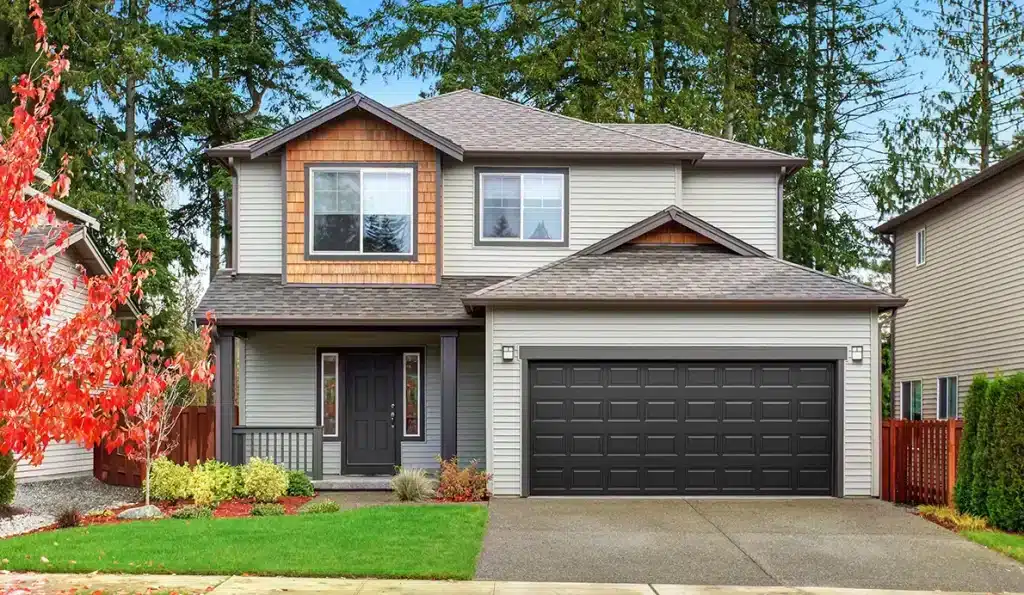
Garage door maintenance is one of the most important yet frequently overlooked responsibilities in residential property care, despite the system’s constant daily use and mechanical complexity. A garage door operates under significant tension, weight, and repeated motion, which means even small inefficiencies can gradually undermine long-term performance. Many homeowners focus on visible repairs while overlooking routine tune-ups that quietly preserve system health. This topic matters because consistent garage door maintenance directly affects safety, reliability, and the duration a garage door can operate without major disruption. Understanding why regular tune-ups matter helps homeowners shift from reactive fixes to proactive, long-term planning.
Preventive garage door maintenance emphasizes early correction over emergency response, allowing systems to age predictably rather than fail unexpectedly. When routine service is ignored, wear accumulates unevenly across springs, rollers, cables, and tracks, increasing stress throughout the system. A garage door safety check during tune-ups ensures that protective features continue to function properly as mechanical components age. Over time, regular tune-ups protect both performance and peace of mind. This article explains why consistent maintenance is essential for long-term garage door operation and what happens when tune-ups are delayed or skipped.
How Garage Doors Are Designed to Operate Long Term
Garage doors are engineered to operate smoothly for thousands of cycles when components are balanced and properly adjusted. Springs counterbalance weight, rollers guide movement, and tracks maintain alignment, all working together under controlled tension. This balance allows the opener to move the door efficiently without excessive strain. Garage door maintenance supports this balance by correcting small shifts before they become significant problems. Without regular tune-ups, the system drifts away from its designed operating state.
Over time, environmental factors such as temperature changes, humidity, and vibration affect component performance. Lubrication degrades, hardware loosens, and alignment shifts gradually through normal use. Preventive garage door maintenance accounts for these predictable changes through periodic adjustment and inspection. A garage door safety check ensures that these adjustments do not compromise protective systems. Long-term operation depends on maintaining design conditions rather than assuming durability alone is sufficient.
Think about how long your garage door can continue to perform without a professional tune-up and what that means for durability by reading: How Long Will Your Garage Door Last Without a Professional Tune-Up?
Why Mechanical Balance Matters More Than Age
Mechanical balance often matters more than chronological age when assessing a garage door’s performance. A newer door without maintenance may fail sooner than an older door that receives regular tune-ups. Garage door maintenance preserves balance regardless of system age. Preventive care focuses on operating condition rather than installation date. Longevity depends on balance, not time alone.
Explore how skipping garage door tune-ups can gradually impact performance, balance, and reliability by reading: How Skipping Garage Door Tune-Ups Affects Performance.
The Purpose of Regular Garage Door Tune-Ups
Regular tune-ups exist to restore optimal operating conditions rather than simply fixing broken parts. During a tune-up, technicians evaluate balance, alignment, hardware condition, and lubrication effectiveness. These adjustments ensure that all components share the load evenly instead of compensating for one another. Garage door maintenance through tune-ups prevents stress from concentrating in vulnerable areas. Consistent tune-ups maintain predictable performance.
Preventive garage door maintenance also establishes a baseline for monitoring future wear. When a system is properly tuned, deviations become easier to detect early. A garage door safety check verifies that safety mechanisms respond accurately under normal operating conditions. Regular tune-ups replace uncertainty with informed oversight. Long-term operation becomes manageable rather than reactive.
Watch for the early warning signs that signal your garage door needs professional attention before issues worsen by reading: Early Warning Signs Your Garage Door Needs Attention.
How Tune-Ups Prevent Small Issues From Growing
Tune-ups prevent small issues from escalating by addressing inefficiencies before they trigger cascading effects. Minor misalignment corrected early avoids roller damage and track wear later. Garage door maintenance interrupts wear progression at its earliest stage. Preventive garage door maintenance reduces the likelihood of compounding failures. Early intervention preserves system stability.
Garage Door Maintenance and Long-Term Performance Stability
Long-term performance stability depends on maintaining consistent operating conditions across years of use. When garage door maintenance is performed regularly, movement remains smooth, noise stays minimal, and response remains predictable. Skipped tune-ups allow a gradual decline that often goes unnoticed until performance is significantly affected. Preventive garage door maintenance stabilizes performance before deterioration becomes disruptive. Stability supports daily convenience and confidence.
Performance instability often appears as hesitation, vibration, or inconsistent speed. These symptoms reflect a mechanical imbalance rather than isolated defects. A garage door safety check during routine maintenance ensures that performance changes do not compromise protective systems. Correcting instability early preserves both safety and efficiency. Long-term operation relies on consistency rather than tolerance for decline.
Find out how residential code requirements influence proper garage door upkeep and safe operation by visiting the International Code Council.
Why Stability Reduces Unexpected Downtime
Stable systems are less likely to fail unexpectedly because stress remains evenly distributed. Regular garage door maintenance significantly reduces the likelihood of surprise breakdowns by addressing early warning signs before they escalate into major issues. By identifying and resolving minor problems early, homeowners can save time and money that would otherwise be spent on emergency repairs. Preventive garage door maintenance effectively replaces reactive measures with scheduled care, enabling a more proactive approach to system reliability. This shift not only enhances the garage door’s longevity but also improves the overall user experience.
Additionally, reduced downtime from consistent maintenance supports uninterrupted routines, making it easier for families and businesses to operate efficiently. When garage doors function reliably, daily activities are less likely to be disrupted by unexpected failures. This reliability grows from the stability established through regular care, fostering a sense of trust in the system’s performance. Ultimately, prioritizing regular tune-ups helps ensure garage doors remain in optimal condition, providing peace of mind and enhancing the investment’s value over time.
Safety Implications of Skipping Regular Tune-Ups
Safety is a critical but often underestimated reason why regular tune-ups matter. Garage doors contain high-tension springs and heavy moving panels that pose risks when the system becomes unbalanced. A garage door safety check ensures that sensors, auto-reverse mechanisms, and emergency releases function correctly under current conditions. When tune-ups are skipped, safety systems may not respond as intended. Preventive garage door maintenance prioritizes safety alongside performance.
Mechanical imbalance can interfere with safety sensor calibration and force detection. Doors may reverse unexpectedly or fail to stop when encountering resistance. Garage door maintenance corrects mechanical conditions that affect the safety system’s accuracy. A safety check during tune-ups confirms proper operation. Long-term safety depends on ongoing adjustment rather than initial installation.
Get to know how routine servicing and inspections help keep garage doors operating reliably by visiting the International Door Association.
How Safety and Performance Are Linked
Safety and performance are intrinsically linked, as safety systems rely on predictable mechanical behavior to function effectively. When resistance within a system increases, it can significantly alter how the system interprets force and movement. This misinterpretation can lead to safety risks. Regular garage door maintenance is crucial to maintaining the conditions that enable accurate safety responses. By ensuring all components function smoothly, maintenance helps mitigate the risks of unexpected mechanical failures.
Moreover, preventive garage door maintenance not only protects users but also extends the equipment’s lifespan. Regular maintenance enhances the system’s overall stability and performance. As a result, safety improves alongside stable performance. This proactive approach not only safeguards those who use the garage door but also supports the equipment’s long-term operational success, ensuring it remains reliable and efficient for years to come.
Preventive Garage Door Maintenance and Component Longevity
Component longevity is one of the clearest benefits of regular tune-ups and preventive care. Springs, rollers, cables, and openers all experience less wear when systems remain balanced and lubricated. Garage door maintenance reduces friction that accelerates surface damage and fatigue. Preventive garage door maintenance extends usable life by slowing wear progression. Longevity improves through consistency.
Without regular tune-ups, components wear unevenly and often fail prematurely. A worn roller may damage tracks, while misaligned tracks strain cables and springs. Garage door maintenance interrupts these interactions before they escalate. A garage door safety check ensures that aging components do not compromise safe operation.
Why Wear Accelerates Without Regular Attention
Wear accelerates without attention because stressed components force others to compensate. This compensation spreads damage across the system, leading to more extensive and costly repairs over time. For example, when one part of a garage door system is under strain, it can cause neighboring parts to wear out faster as they work harder to maintain functionality. This interconnectedness means neglecting regular maintenance can trigger a cascade of failures. Therefore, garage door maintenance is essential in preventing this cascade by restoring balance and ensuring that all components operate harmoniously.
Preventive garage door maintenance keeps wear localized and manageable, ultimately prolonging the lifespan of the entire system. By addressing minor issues before they escalate, homeowners can avoid the inconvenience and expense of major repairs. Early care helps slow deterioration and maintain the door’s efficiency and safety. Regular tune-ups not only enhance performance but also provide peace of mind, knowing the garage door is operating optimally. Consistent maintenance is a proactive approach that benefits both the homeowner and the garage door’s longevity.
The Role of Lubrication in Long-Term Operation
Lubrication is essential to the long-term operation of garage doors by reducing friction between moving parts. As lubricants degrade, friction increases, generating heat and vibration that accelerate wear. Garage door maintenance includes lubrication as a core service rather than an optional task. Preventive garage door maintenance ensures lubricants are appropriate for the environment. Smooth movement depends on proper lubrication.
Without lubrication, metal components grind against each other, damaging surfaces and increasing noise. This damage often spreads to tracks and hardware, complicating repairs. Garage door maintenance addresses lubrication before damage occurs. A garage door safety check ensures that lubrication does not interfere with sensor operation. Long-term operation benefits from reduced friction.
Regular Tune-Ups and Energy Efficiency
Energy efficiency is often overlooked when considering garage door maintenance, yet alignment and sealing affect temperature control. Misaligned doors may leave gaps that allow air infiltration, reducing efficiency in attached spaces. Garage door maintenance corrects alignment and ensures consistent sealing. Preventive garage door maintenance supports thermal performance. Efficiency improves alongside mechanical health.
Over time, poor sealing increases heating and cooling costs and affects stored items. Regular tune-ups maintain proper contact with weather seals. A garage door safety check ensures that the closing force remains appropriate after adjustments. Energy efficiency benefits from mechanical precision. Long-term operation includes comfort considerations.
Financial Benefits of Regular Garage Door Maintenance
Regular garage door maintenance offers financial benefits by reducing the likelihood of costly emergency repairs. Small adjustments and lubrication cost far less than replacing broken springs or damaged openers. Preventive garage door maintenance spreads expenses predictably over time. Financial planning becomes easier when maintenance is consistent. Long-term costs decrease through prevention.
Emergency repairs often include secondary damage caused by sudden failure. A broken spring may strain the opener or damage panels. Garage door maintenance avoids these compounding expenses. A garage door safety check reduces liability risk as well. Financial efficiency aligns with proactive care.
Reliability and Peace of Mind Through Routine Tune-Ups
Reliability is a direct outcome of consistent maintenance rather than chance. A garage door that receives regular tune-ups operates predictably and quietly. Garage door maintenance reduces the likelihood of unexpected failures that disrupt daily routines. Preventive garage door maintenance supports confidence in system operation. Peace of mind grows from reliability.
When tune-ups are skipped, uncertainty increases because the system condition becomes unknown. Homeowners may worry about sudden breakdowns or safety issues. A garage door safety check during routine maintenance provides reassurance. Reliability and peace of mind are practical benefits. Long-term operation feels secure when care is consistent.
Long-Term Structural Protection Through Maintenance
Structural protection is another benefit of regular tune-ups that often goes unnoticed by homeowners. When alignment issues develop, they can slowly twist door panels, strain surrounding framing, and place excess stress on the tracks. Routine maintenance corrects these issues early, while timely garage door repair addresses damage before it spreads to other parts of the system. Preventive care helps preserve overall door integrity and supports long-term operation by protecting both structural and mechanical components.
Structural damage usually indicates advanced wear that could have been avoided with earlier attention. A garage door safety check evaluates whether panel condition, track alignment, or framing stress affects safe operation. Early intervention reduces the risk of costly panel replacement and larger system failures. Ongoing maintenance protects the garage door as a complete structure, supporting durability, safety, and consistent performance over time.
Proactive Garage Door Company
Garage door maintenance is essential for ensuring long-term operation, safety, and reliability in a system that experiences constant mechanical stress. Regular tune-ups preserve balance, reduce wear, and stabilize performance before small issues escalate into major failures. Through preventive garage door maintenance and regular safety checks, homeowners protect people and property and extend equipment lifespan. Routine care replaces uncertainty with predictability and emergency repairs with planned upkeep. Choosing regular tune-ups ultimately ensures that a garage door continues to operate smoothly, safely, and efficiently throughout its intended life.
Elite Overhead Garage Doors offers comprehensive garage door services tailored to the needs of Greenville homeowners and businesses. Skilled technicians provide installation, repair, and maintenance services with a focus on performance and longevity. Leading garage door brands are used to ensure high standards of quality and reliability. Every service is delivered with professionalism and care.
Contact us today or give us a call to get started with reliable garage door services.
Frequently Asked Questions
Why do regular garage door tune-ups matter for long-term operation?
Regular tune-ups help ensure the garage door continues operating smoothly and predictably over many years. We often see that small adjustments prevent unnecessary strain from building up within the system. This ongoing care supports reliable performance and reduces the risk of sudden failure.
How do tune-ups help extend the lifespan of garage door components?
Tune-ups keep components properly aligned, lubricated, and balanced throughout daily use. When parts work together smoothly, they wear more slowly and evenly. This gradual wear helps components reach their full expected lifespan.
Why does skipping tune-ups lead to declining performance over time?
Without tune-ups, friction and imbalance increase quietly within the system. We find that this causes doors to become noisier, slower, and less reliable. Performance continues to decline until repairs become unavoidable.
How do regular tune-ups protect garage door springs?
Springs are under constant tension and rely on balance to function safely. Tune-ups identify early fatigue and restore proper tension before failure occurs. This significantly reduces the risk of sudden spring breakage.
Why are tune-ups important for garage door safety?
A well-tuned garage door moves in a controlled and predictable way. We see that tune-ups help prevent sudden drops, jerky movement, or unexpected reversals. This improves safety for people, pets, and vehicles.
How do tune-ups help prevent repeat garage door problems?
Many recurring issues stem from unresolved imbalance or friction. Tune-ups correct these root causes instead of masking symptoms. This leads to fewer repeat problems and more dependable operation.
Why does regular maintenance reduce stress on the garage door opener?
Garage door openers are designed to guide movement, not overcome resistance. Tune-ups keep the door balanced and moving freely, reducing strain on the opener. This helps extend motor life and performance.
How do tune-ups help garage doors adapt to seasonal changes?
Temperature shifts can affect metal components and door balance. We find that tune-ups help the system adjust smoothly to these changes. This prevents seasonal performance issues and added wear.
Why do tune-ups reduce emergency repair situations?
Tune-ups catch small issues before they escalate into failures. We see fewer emergency calls when doors receive regular maintenance. Preventive care keeps operations predictable and reliable.
How does regular tuning support long-term peace of mind?
Knowing the garage door has been properly maintained reduces uncertainty about daily use. We believe regular tune-ups provide confidence in safety and performance. Long-term peace of mind comes from consistent, proactive care.