

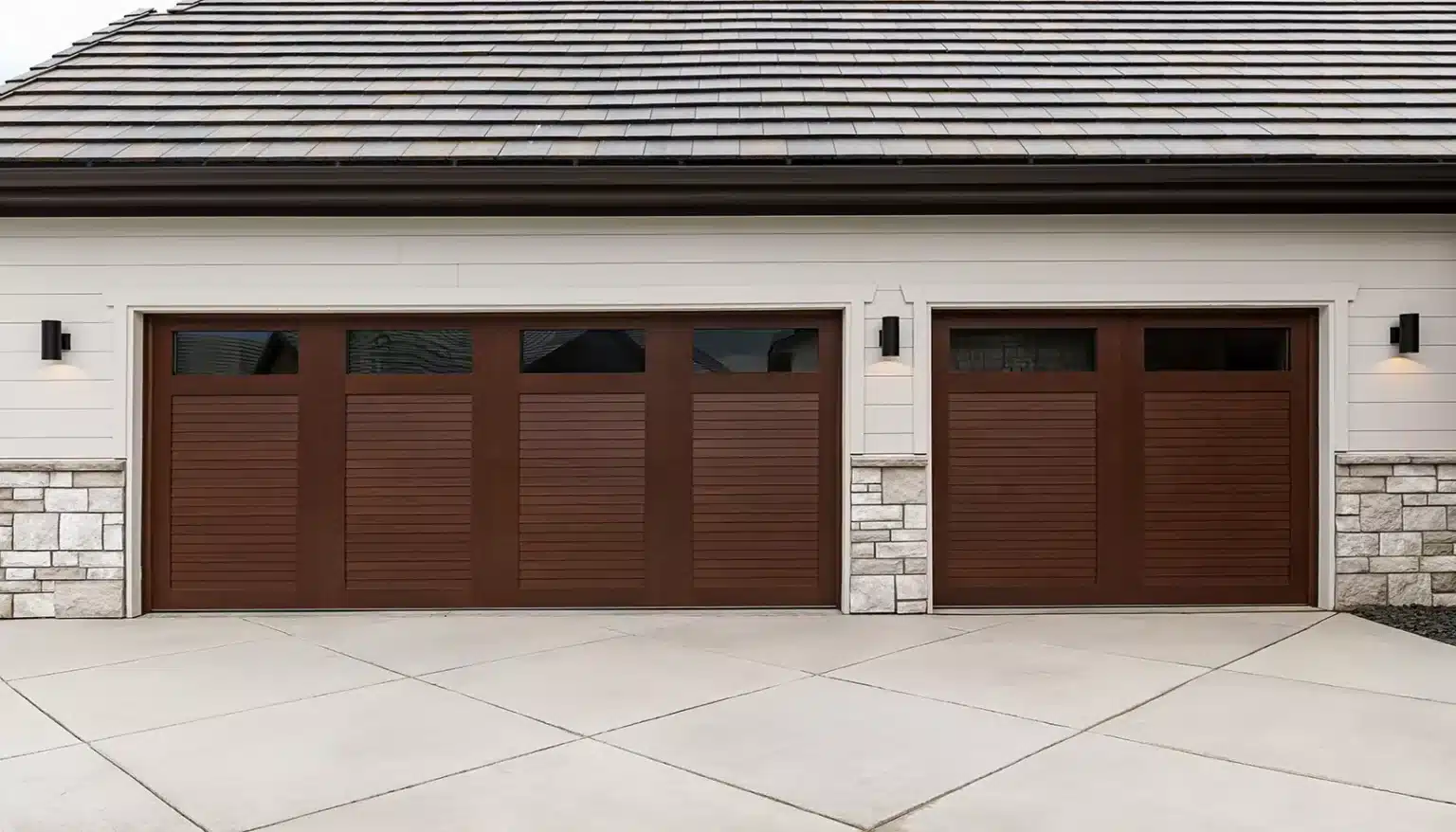
A garage door inspection is often the difference between catching a minor issue early and dealing with a costly, disruptive failure later. Garage doors rarely stop working without warning, yet many homeowners overlook subtle signs of developing problems. Because a garage door is a heavy, high-tension system that operates multiple times a day, even minor performance changes warrant attention. Early warning signs often appear quietly through sound, movement, or visual changes that seem insignificant at first. Understanding these signals helps homeowners protect safety, reliability, and long-term system health.
Routine garage door maintenance exists specifically to identify these early indicators before they escalate into emergencies. A garage door safety check, combined with professional inspection, reveals issues that casual observation cannot detect. When warning signs are ignored, slight mechanical imbalances compound over time, increasing strain on critical components. Addressing problems early reduces repair costs, prevents unexpected downtime, and extends equipment lifespan.
Why Garage Doors Give Warning Signs Before Failing
Garage doors are engineered systems that depend on balance, alignment, and controlled friction to operate smoothly. Springs, rollers, cables, tracks, and openers work together under constant load, so wear develops gradually rather than suddenly. As components degrade, the system compensates by redistributing stress, resulting in noticeable performance changes. A garage door inspection identifies these compensations before they cause irreversible damage. Warning signs are the system’s way of signaling stress.
Routine garage door maintenance is effective because it addresses these warnings at their earliest stages. Mechanical systems rarely fail silently, and garage doors are no exception. Noise, hesitation, vibration, or visual wear all reflect changes in how force moves through the system. Ignoring these signs allows the imbalance to worsen. Early recognition makes corrective action more straightforward and more affordable.
Take a closer look at how skipping professional tune-ups can shorten your garage door’s lifespan by reading: How Long Will Your Garage Door Last Without a Professional Tune-Up?
How Mechanical Imbalance Develops Gradually
Mechanical imbalance develops when components wear unevenly and are not recalibrated through regular service, leading to springs that may lose tension asymmetrically, tracks that may drift slightly, and rollers that may wear faster on one side. These small shifts in the system alter load distribution, which can cause problems if not addressed promptly. A thorough garage door inspection identifies these changes before they escalate into severe issues, enabling timely intervention.
Routine garage door maintenance is essential as it restores balance and prevents further complications. By ensuring all components function correctly, homeowners can avoid the inconvenience and potential hazards of a malfunctioning garage door. Regular checks and adjustments not only enhance the door’s performance but also extend its lifespan, making it an important aspect of home maintenance.
See how missed garage door tune-ups gradually affect performance, balance, and reliability by reading: How Skipping Garage Door Tune-Ups Affects Performance.
Unusual Noises During Operation
Unusual noise is one of the most common early warning signs that a garage door needs attention. Grinding, squeaking, scraping, or popping sounds indicate increased friction, loose hardware, or misalignment. These sounds are not cosmetic issues, but mechanical feedback signaling stress within the system. A garage door inspection identifies the source of the noise rather than treating it as normal aging. Addressing noise early prevents accelerated wear.
Routine garage door maintenance reduces noise by tightening hardware, correcting alignment, and ensuring proper lubrication. When lubrication breaks down, metal components rub directly against each other, creating sound and surface damage. Over time, this friction wears down multiple parts. A garage door safety check often reveals noise-related issues that affect both performance and safety. Quiet operation is a sign of proper maintenance, not coincidence.
Learn why staying on schedule with regular tune-ups helps protect long-term operation and system health by reading: Why Regular Tune-Ups Matter for Long-Term Operation Success.
Why Noise Is an Early Indicator, Not a Late One
Noise often precedes visible damage or functional failure. Many components produce sound when friction or imbalance increases. This early indication is a crucial warning that something may be amiss with your garage door. A garage door inspection identifies these early-stage problems, allowing for timely intervention. By addressing issues as they arise, homeowners can avoid more costly repairs down the road. Routine garage door maintenance prevents noise from becoming a sign of a serious issue, ensuring your garage door operates smoothly and efficiently.
Listening carefully to the sounds your garage door makes is essential for protecting its long-term performance. Different noises can indicate various issues; for example, squeaking may suggest a need for lubrication, while grinding could signal a more serious problem with the door’s mechanics. Regularly monitoring these sounds and scheduling inspections can help maintain your garage door’s functionality and lifespan. Being proactive about your garage door’s maintenance not only enhances its performance but also provides peace of mind knowing that your home is secure.
Learn more about how building code provisions relate to garage door condition and ongoing maintenance by visiting the International Code Council.
Changes in Opening or Closing Speed
A garage door that opens or closes more slowly than usual is often signaling increased resistance. This resistance may come from worn rollers, weakened springs, misaligned tracks, or hardware issues. Although the door may still function, reduced speed indicates declining efficiency. A garage door inspection determines whether resistance is mechanical rather than electrical. Early correction restores normal performance.
Routine garage door maintenance helps preserve consistent operating speed by maintaining balance and reducing friction. When speed changes are ignored, the opener compensates by working harder, increasing wear on the motor. Over time, this compensation leads to the failure of the opener. A garage door safety check also ensures that speed changes are not triggering safety malfunctions. Consistent speed reflects healthy system conditions.
How Speed Changes Affect Long-Term Reliability
Speed changes affect reliability because they indicate that components are operating outside intended tolerances. Increased resistance accelerates wear across springs, cables, and rollers. A garage door inspection identifies these tolerance shifts early. Routine garage door maintenance restores efficient movement. Reliability depends on preserving correct operating conditions.
Uneven or Jerky Door Movement
Uneven or jerky movement is a clear warning sign that the garage door is no longer appropriately balanced. When one side lifts faster than the other, stress concentrates unevenly across cables and hinges. This imbalance increases the risk of structural damage to panels and hardware. A garage door inspection evaluates alignment and balance to identify the root cause. Early correction prevents more serious issues.
Routine garage door maintenance restores smooth, even movement by adjusting springs and tracks. Jerky motion often worsens gradually, making it easy to overlook at first. However, this movement pattern accelerates wear and reduces safety margins. A garage door safety check ensures that any uneven motion does not interfere with the auto-reverse mechanism. Smooth movement indicates proper load distribution.
Learn more about professional recommendations for maintaining garage door systems and extending their service life by visiting the International Door Association.
Why Uneven Motion Is a Serious Warning
Uneven motion indicates that load distribution has shifted outside safe operating limits. This shift increases stress on multiple components simultaneously. A garage door inspection identifies the source of the imbalance. Routine garage door maintenance restores symmetry. Addressing this warning early prevents structural damage.
Increased Vibration or Shaking
Excessive vibration or shaking during operation often indicates loose hardware, worn rollers, or track misalignment. While slight vibration may seem harmless, increasing movement signals instability within the system. A garage door inspection evaluates mounting points and moving components to identify sources of vibration. Ignoring vibration allows hardware to loosen further and alignment to degrade. Early attention stabilizes the system.
Routine garage door maintenance includes tightening fasteners and correcting alignment to minimize vibration. Excessive movement accelerates wear and increases noise levels. A garage door safety check ensures that vibration does not affect sensor alignment or opener function. Stability is essential for long-term performance. Vibration is an early warning that stability is compromised.
How Vibration Leads to Compounding Problems
Vibration compounds problems by loosening hardware and accelerating wear. Loose components cause additional misalignment, which worsens vibration further. A garage door inspection interrupts this cycle. Routine garage door maintenance restores secure mounting. Stability protects overall system health.
Visible Wear on Components
Visible wear on springs, cables, rollers, or tracks is an important early warning sign that should never be ignored. Frayed cables, rusted springs, or cracked rollers indicate advancing fatigue and reduced structural integrity. These components operate under high tension, which can make failure dangerous. A garage door inspection assesses whether visible wear requires immediate replacement or adjustment. Visual signs often indicate overdue maintenance.
Routine garage door maintenance addresses visible wear before failure occurs. Rust weakens metal components, while frayed cables are especially hazardous. A garage door safety check evaluates whether worn parts compromise safe operation. Addressing visible wear early prevents sudden breakdowns. Visual inspection complements performance monitoring.
Why Visual Damage Often Appears Late
Visual damage often appears after internal wear has already progressed. By the time wear is visible, stress has often been present for some time. A garage door inspection determines severity accurately. Routine garage door maintenance prevents internal wear from reaching visible stages. Early attention is safer and more cost-effective.
The Door Feels Heavier Than Before
A garage door that feels heavier during manual operation is signaling a loss of spring efficiency. Springs counterbalance the door’s weight, making it easy to lift. As springs wear, the door becomes heavier and harder to move. A garage door inspection measures spring tension to confirm whether replacement is needed. Ignoring this sign increases failure risk.
Routine garage door maintenance prioritizes spring health because springs carry most of the system’s load. Operating with weakened springs places excessive strain on the opener and cables. A garage door safety check ensures that emergency release systems function safely under load. Weight changes are one of the most critical early warnings. Addressing them protects both safety and performance.
Why Spring Wear Is a High-Risk Issue
Spring wear is high risk because springs store significant energy under tension. Failure can occur suddenly and cause damage or injury. A garage door inspection identifies spring fatigue early. Routine garage door maintenance replaces springs under controlled conditions. Safety depends on proactive attention.
The Garage Door Opener Struggles or Sounds Strained
A garage door opener that struggles, hesitates, or sounds strained is often compensating for mechanical resistance in the door system. This resistance usually originates from imbalance, misalignment, or worn components. A garage door inspection determines whether the issue lies with the opener or the door itself. Addressing door-related resistance protects the opener from premature failure. Performance issues often start with the door.
Routine garage door maintenance reduces opener strain by restoring smooth movement. When the opener operates within intended limits, its lifespan increases significantly. A garage door safety check ensures that opener force settings remain appropriate. Strained operation is an early warning that should not be ignored. Protecting the opener begins with door care.
Why Opener Issues Often Reflect Door Problems
Opener issues frequently reflect door problems because the opener responds to mechanical load. Increased resistance forces the opener to work harder. A garage door inspection clarifies this relationship. Routine garage door maintenance addresses root causes. Performance improves when the door moves freely.
Inconsistent Safety Sensor Behavior
Inconsistent behavior from safety sensors is another early warning sign that a garage door needs attention. Doors that reverse unexpectedly or fail to close fully often indicate sensor misalignment or mechanical resistance. A garage door safety check evaluates both sensors and mechanical components together. Treating sensor issues in isolation may overlook deeper problems. Comprehensive inspection is essential.
Routine garage door maintenance stabilizes sensor performance by correcting alignment and reducing vibration. Sensors are sensitive to movement and debris, which often result from mechanical instability. A garage door inspection identifies why sensors drift out of alignment repeatedly. Resolving the cause restores reliable operation. Safety system consistency reflects overall system health.
Why Safety Issues Often Appear Intermittent
Safety issues often appear intermittent because underlying mechanical problems fluctuate with use and environmental conditions. A garage door inspection reveals these patterns. Routine garage door maintenance resolves instability. Intermittent issues deserve immediate attention. Consistency improves safety and reliability.
Gaps or Uneven Contact With the Floor
Gaps between the garage door and the floor indicate alignment or balance problems that affect sealing and security. Uneven contact allows air, moisture, and pests to enter the garage. A garage door inspection evaluates track alignment and door fit. Ignoring gaps increases energy loss and wear. Early correction restores proper closure.
Routine garage door maintenance ensures that the door closes evenly and seals correctly. Uneven contact often reflects misalignment that worsens over time. A garage door safety check confirms that the closing force remains appropriate. Proper sealing supports performance beyond appearance. Gaps are a practical warning sign.
How Alignment Affects Sealing and Efficiency
Proper alignment is critical to how well a garage door seals at the opening, as uneven movement prevents consistent contact along the bottom edge. When alignment shifts, small gaps can form, allowing air, moisture, and debris to enter the garage. These issues often develop gradually and may not be evident at first, especially after a garage door installation, when components begin to settle with regular use. Early inspection helps catch alignment changes before they affect performance or comfort.
Routine garage door maintenance restores proper fit by correcting track alignment, adjusting hardware, and ensuring the door moves evenly throughout its cycle. When the door seals correctly, both efficiency and reliability improve simultaneously. A well-aligned garage door operates more smoothly, protects the interior space, and supports long-term system performance without unnecessary strain on components.
Trusted Garage Door Company
A garage door inspection is essential to identify early warning signs before they lead to costly or dangerous failures. Changes in noise, movement, speed, vibration, and visible wear all signal developing problems that routine garage door maintenance can address effectively. A thorough garage door safety check ensures that both mechanical and safety systems function reliably together. By paying attention to these early indicators, homeowners protect performance, safety, and long-term reliability. Understanding and responding to warning signs transforms garage door care from reactive repair into proactive protection.
Elite Overhead Garage Doors specializes in complete garage door solutions that support everyday reliability and security. Services include installation, repair, and ongoing maintenance performed by licensed and insured professionals. Proven expertise and high-quality products ensure garage doors operate safely and efficiently. A commitment to dependable service guides every job from start to finish.
Contact us today or give us a call for trusted garage door solutions in Greenville.
Frequently Asked Questions
What are the earliest warning signs that a garage door needs attention?
Early warning signs often include subtle changes like new noises, slower movement, or slight hesitation when opening or closing. We find that these small shifts typically occur before any major failure. Addressing them early helps prevent more serious problems later.
Why is a noisy garage door a cause for concern?
Grinding, squeaking, or popping sounds usually indicate friction, wear, or imbalance within the system. These noises often develop gradually as components lose lubrication or alignment. Ignoring them allows internal wear to worsen over time.
What does slow or delayed garage door movement indicate?
When a garage door begins moving more slowly than usual, it often means parts are struggling to work together smoothly. We see this caused by spring fatigue, track resistance, or lack of lubrication. Slow movement is a sign the system is under unnecessary strain.
Why does a garage door feel heavier than before?
A door that suddenly feels heavier typically points to weakening springs. Springs are responsible for counterbalancing most of the door’s weight during operation. As they wear down, lifting becomes harder and less safe.
What does uneven or crooked door movement mean?
Uneven movement often signals balance issues or uneven cable tension. We find this can cause the door to tilt slightly during operation. Left unaddressed, this imbalance can lead to track damage or sudden failure.
Why does the garage door stop or reverse unexpectedly?
Unexpected stopping or reversing usually occurs when the system detects resistance or imbalance. Worn components, misalignment, or spring issues often cause this. These interruptions are warning signs, not random malfunctions.
What does shaking or vibration during operation suggest?
Shaking or vibration often indicates loose hardware, worn rollers, or alignment problems. We see these symptoms appear before parts loosen further or fail completely. Early attention helps stop vibration from escalating into structural damage.
Why does the garage door struggle more during seasonal weather changes?
Temperature changes can exaggerate existing wear or imbalance in garage door components. We often see problems become more noticeable during extreme heat or cold. Seasonal difficulties often indicate underlying issues that require attention.
What does frequent need for adjustments indicate?
Repeated adjustments often indicate the underlying problem has not been corrected. We find adjustments are sometimes used to temporarily mask wear rather than fix it. This pattern typically precedes a larger failure.
Why is paying attention to early warning signs so important?
Early warning signs provide an opportunity to address issues before the garage door becomes unsafe or unusable. We believe timely attention reduces the need for emergency repairs and protects long-term performance. A garage door almost always signals trouble before it breaks.